
How digital payments work for marketplace sellers
From card authorisation to payout: acquirers, PSPs, split payments, SCA, chargebacks, payout holds, reserves and currency conversion, explained for sellers.
Marriott, Accor, Kempinski and Premier Inn sell the beds, pillows and linens used in their rooms through online shops run in-house, by manufacturers or with retail partners, with loyalty as the main aim.
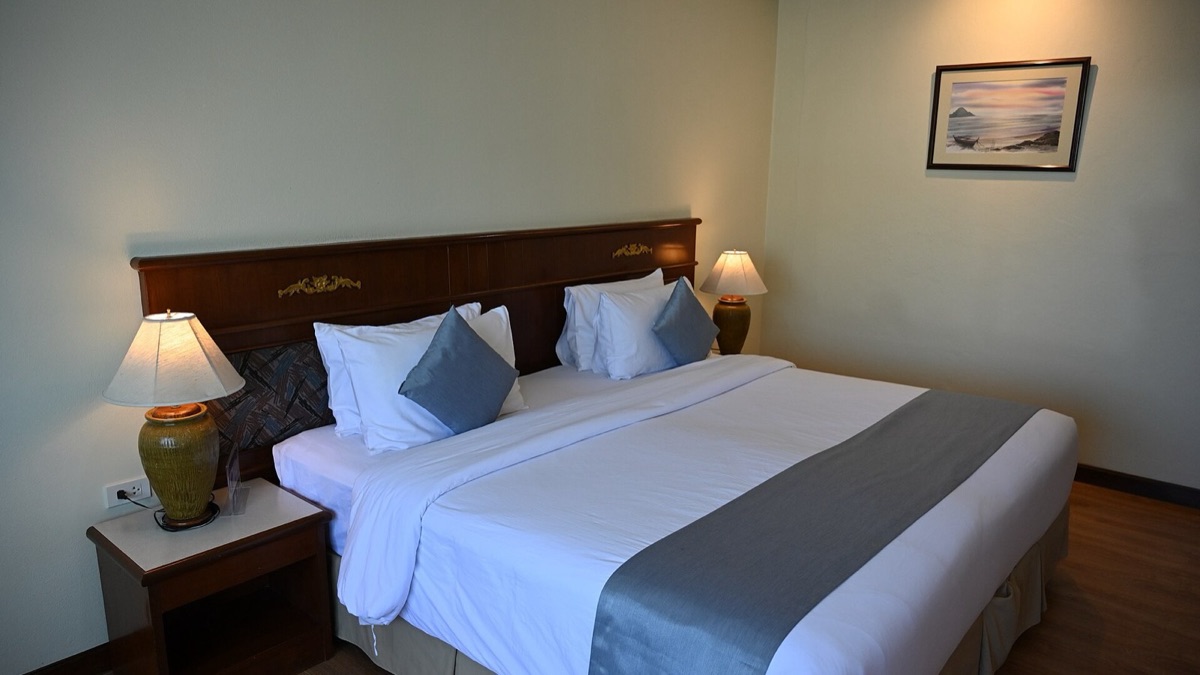
Every hotel guest uses the bed, and several hotel groups now sell it. Marriott, Accor, Kempinski and Premier Inn all have online shops offering the mattresses, pillows and linens used in their rooms, and Marriott and Accor accept loyalty points as payment. The arrangements behind those shops differ, and so do the reasons hoteliers give for running them.
Industry experts credit Westin with starting the practice. According to Hotel Dive, the then-Starwood brand introduced its Heavenly Bed in 1999, with a pillow-top mattress, a down blanket and crisp sheets. Guests wanted the bed in their own homes, and Westin soon began selling it through a catalogue and a telephone hotline. By 2012, the trade title reported, Westin had sold more than $125 million worth of beds, pillows and scented products.
Westin is now one of Marriott’s brands, and the bed is sold through Marriott Bonvoy Boutiques. The retailer’s own description says the Heavenly Bed has sold more than 500,000 units. It runs separate boutiques for brands including The Ritz-Carlton, St. Regis, EDITION, JW Marriott, W Hotels and Westin, alongside a Sleep Shop, and shoppers can pay in US dollars or with Marriott Bonvoy points.
The simplest model is a shop owned by the hotel group. Hotel Dive reported that Marriott set up individual websites for brands such as The Ritz-Carlton Shops and the Luxury Collection Store after hearing from guests who wanted products from the rooms. Kempinski’s online store, the Kempinski Boutique, was created by Kempinski Trading DMCC about two years before that September 2024 report. Its chief executive, Noel Attard, said guests had asked to buy bed linens, bathrobes and other amenities.
A second model hands the work to the manufacturer. Premier Inn sells its bed and bedding through a dedicated shop, Premier Inn At Home. Its terms and conditions state that beds, mattresses and headboards are manufactured and fulfilled by Silentnight Group Limited, which also handles customer service. Pillows, duvets and protectors are made and fulfilled by Sartex Quilts & Textiles Limited on the same basis.
The third route is a retail partner. In June 2024 Pottery Barn, part of Williams-Sonoma, announced a Westin collection of bedroom furniture, bedding and bath products, including the next-generation Heavenly Bed mattress and a solid hardwood bed frame, sold on PotteryBarn.com and WestinStore.com. Pottery Barn’s president, Monica Bhargava, said the retailer had worked with Westin for more than ten years as an exclusive home furnishings partner for the Heavenly mattress.
Partnerships of this kind put a hotel bed into a home furnishings retailer’s range, while the hotel room works as a showroom: the Pottery Barn release noted that guests can try the mattress, bedding and bath products in Westin rooms. The same release said Westin has more than 235 hotels and resorts in over 40 countries and territories. Further afield, the website of Americans Home, a showroom in Doha, lists a Westin Heavenly Bed+ made in Canada in a “Hotel Collection” and says any mattress Qatar customers order from it can first be tried in the showroom, with free delivery across the country.
Accor ties its shops closely to its loyalty programme. Its “Hotel comfort at home” page lists eight online stores, for Sofitel, ibis, Novotel, Mercure, Pullman, Mövenpick, Swissôtel and MGallery, selling beds, mattresses, pillows, duvets and fragrances. Members earn one Reward point for every euro spent and can pay in full with points, at a rate of 2,000 points to €20, except at the Pullman shop. Members with Gold status or above get a 100-day trial on six of the stores.
Revenue is part of the case, but those interviewed by Hotel Dive put loyalty first. Kasia Russell, executive vice-president of development at the consultancy HVS, said such products can bring in a modest amount of revenue because people will pay more for items that remind them of a stay, but that revenue is not the main goal. Mr Attard said Kempinski did not create its shop with revenue in mind and described it as support for brand awareness.
Guest demand is the other driver. Dana Hopp Peritz, Marriott’s vice-president of retail and experiences, told the publication that guests had taken apart bedding to find out who made the mattresses and asked hotel staff where they could buy items from the rooms. Ms Russell described a crossover between the hotel room and the home, with each night on the same bed recalling the stay.
The approach has limits. Jan Freitag, national director for hospitality market analytics at CoStar, told Hotel Dive that hotel shops are most common among luxury groups, and questioned whether wider availability erodes exclusivity: “Does it cheapen the brand?” Ms Russell warned that a product that differs from the one in the hotel, or is of poor quality, can backfire.
For hotel groups, an online shop is less a profit centre than a way to carry the brand into the guest’s bedroom. Whether it is run in-house, by a bed maker or through a furniture retailer, its value depends on the bed at home matching the one in the room.
From card authorisation to payout: acquirers, PSPs, split payments, SCA, chargebacks, payout holds, reserves and currency conversion, explained for sellers.
A practical framework for choosing between marketplaces such as Amazon, eBay or Etsy and your own store, covering costs, control, customer data and risk.
A look back at the 2019 European Ecommerce Report forecast, how later editions revised it, and how sellers should read market-size figures today.